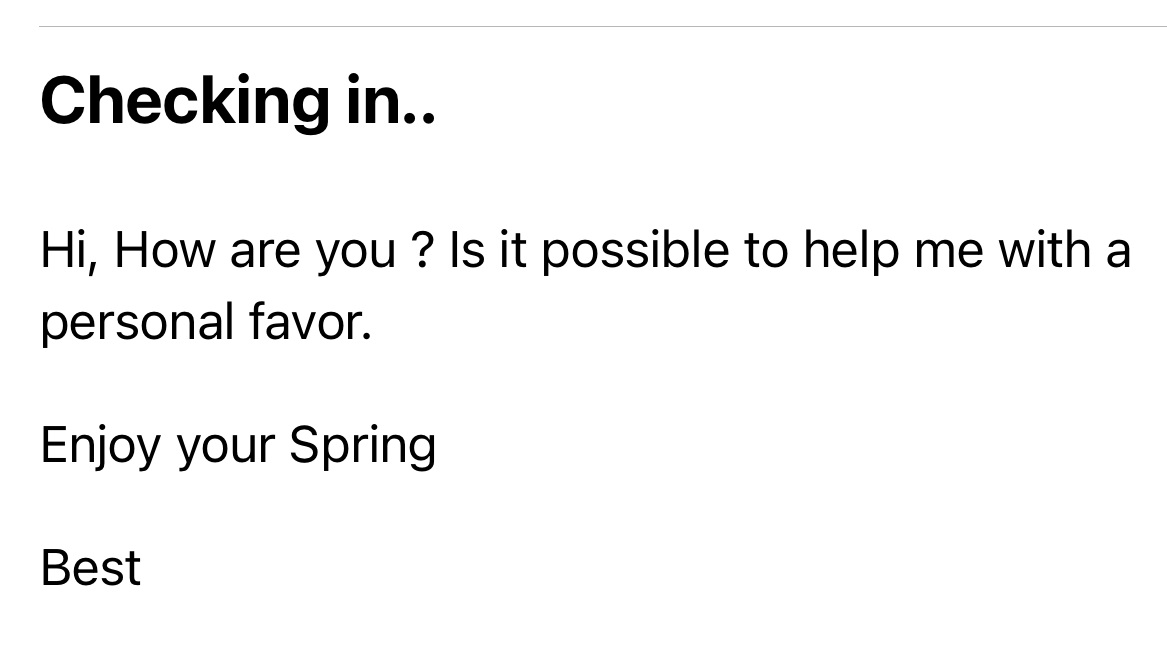
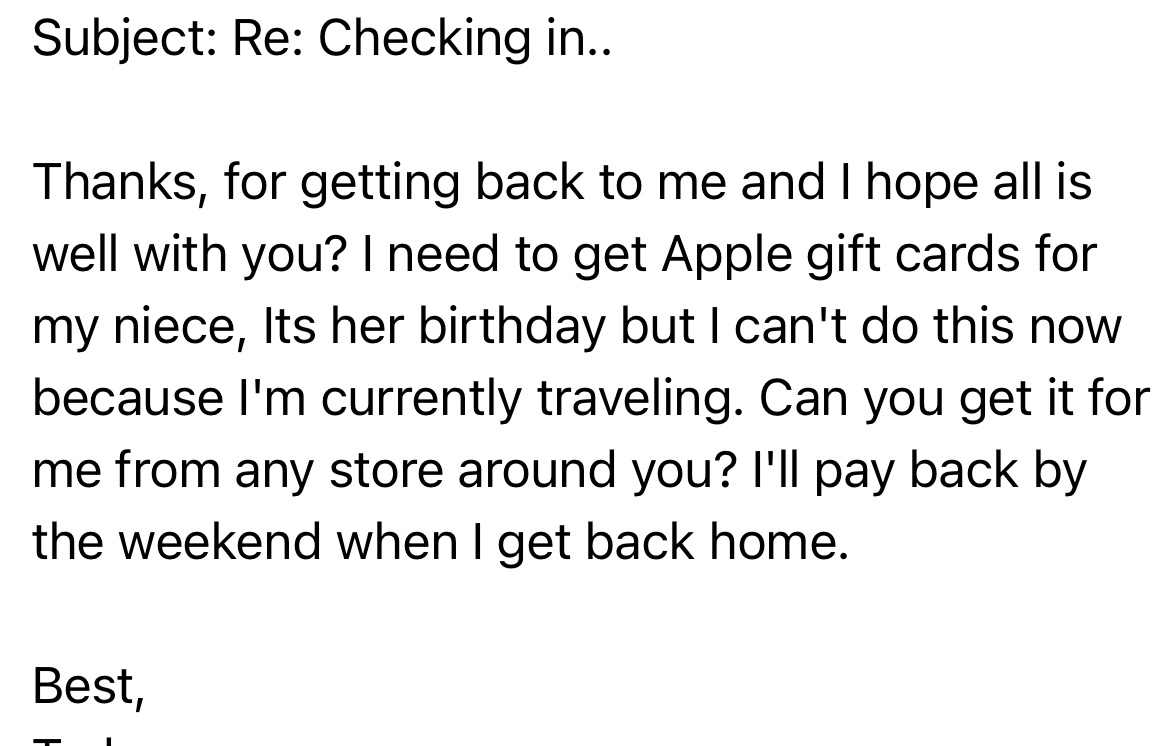
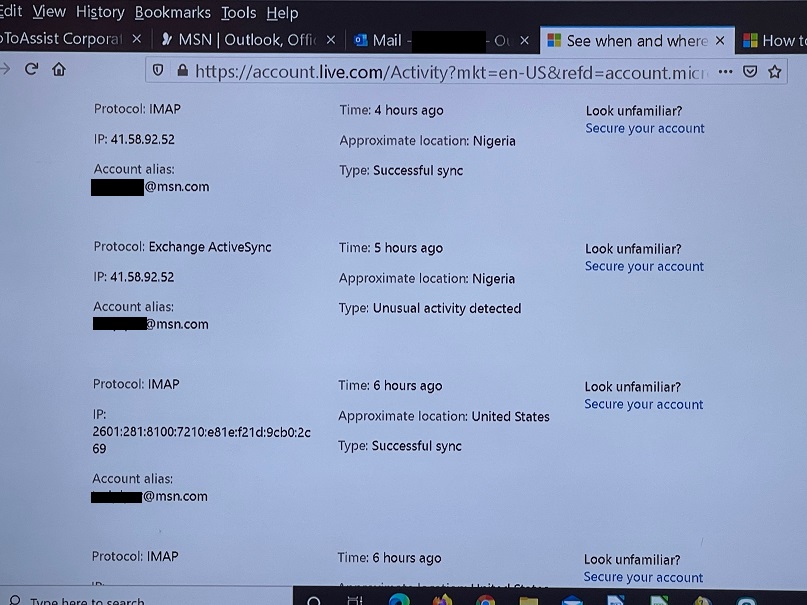
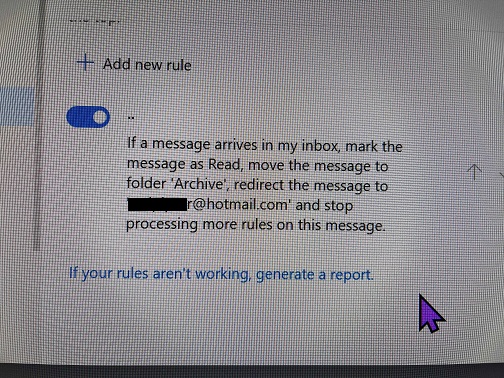
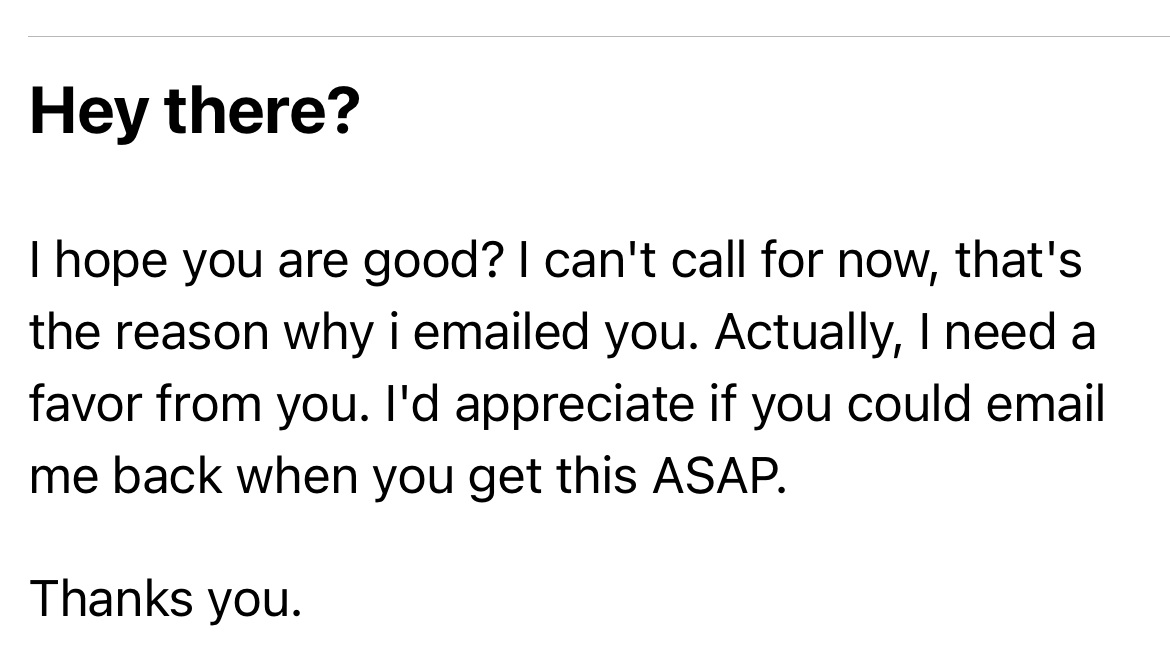
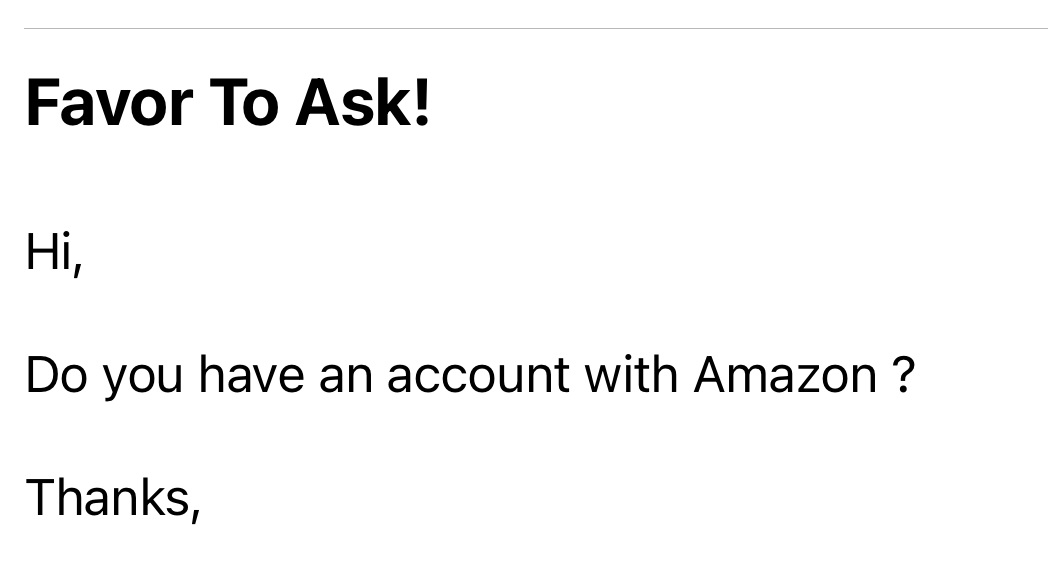
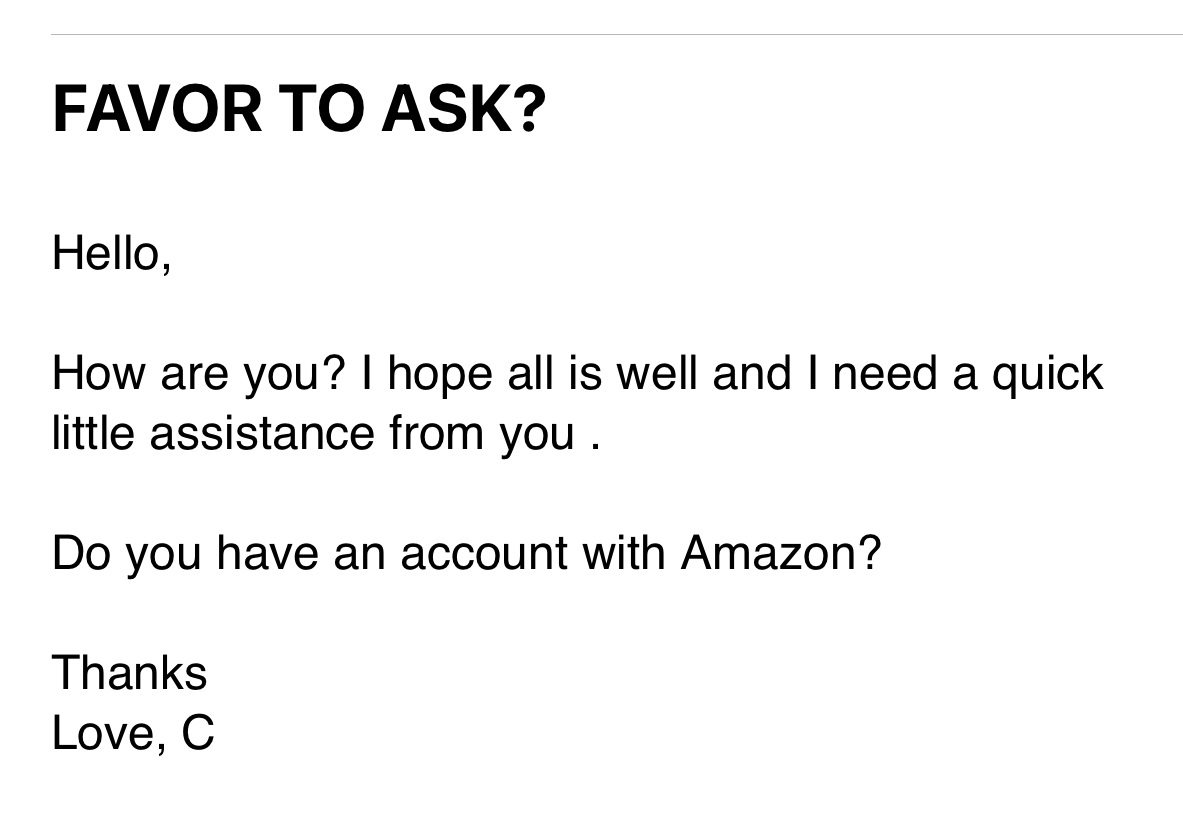
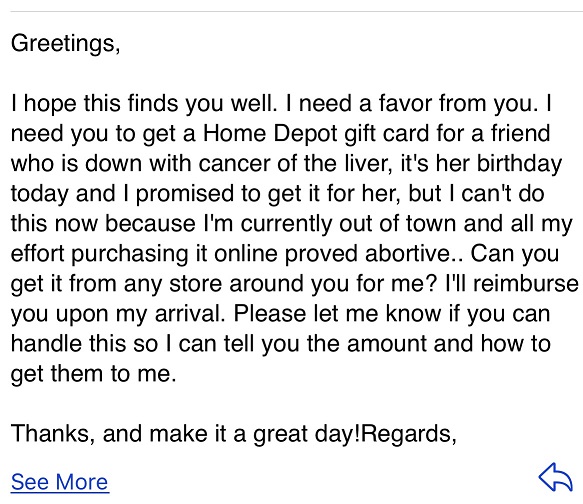
When you see warnings about a data breach that might affect you, take it seriously! Last week we contacted a customer. We had received multiple emails from him over the course of just a few minutes. His email and password were involved in a data breach, and someone was sending out spam emails using his account. Lots of emails! They were an invitation to an event, and included a clickable link. The email helpfully said, “Make sure you view the invitation on your computer, not on your phone for the full experience.” This is a phishing scam to unwittingly add malware and infections onto the computers that received the email and clicked the link.
I’m one of those unusual people. When I get an email about an overdue invoice, or a reference request for a past employee for example, from Jenny@massage.com, I’ll look up the website, find a phone number, and contact “Jenny” to let her know her that there’s been a data breach involving her email address and password.
Check to see if Your data has been involved in any Data Breaches:
How do you find out if your email address has been a part of a data breach? Enter your email into the Have I Been Pwned website. Hopefully, you’ll get a response like this: 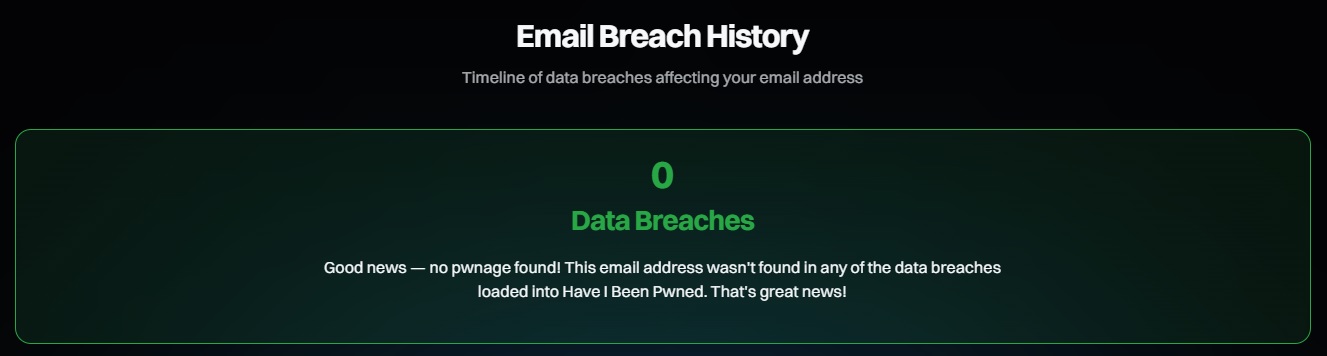
Unfortunately, you’re more likely to see this: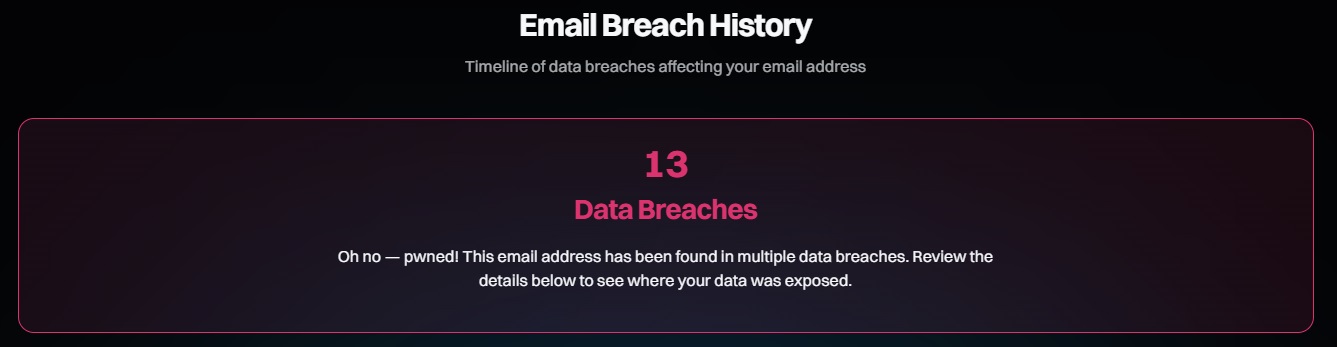
One thing I like about HaveIBeenPwned is that they tell you when your email may have been compromised, and what data may have been collected. The report looks like this: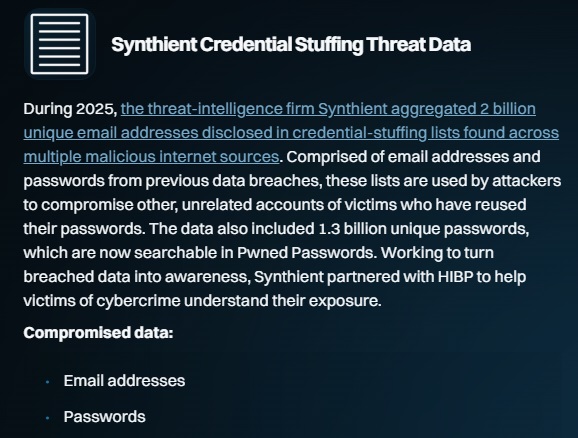
If your email shows up, you can safely conclude that your email and password, at the very least, have been placed on a list and distributed or sold to all sorts of bad actors. It doesn’t matter what kind of anti-virus you have. If a hacker has access to your email and password, they can log onto your account from any computer in the world and send out spam emails in your name! And if you use the same email and password to log onto other accounts, those accounts could be at risk too.
Change your passwords to protect against a Data Breach:
This is why it is so important to periodically change the password for all or your accounts and to not use the same password for multiple accounts. (See our previous article about setting up a Secure Password.)
We recommend changing your password at least annually for:
- Each of your email addresses
- Each of your financial accounts (Bank, Debit, Credit, Investment, Venmo, PayPal, etc.)
- Any website or phone app that has your saved credit card information.
- All your social media accounts. This is especially important if you have a business page. In most cases, once you’ve lost control of your social media business page, you can’t get it back.
- NOTE: For each of your email addresses, check to be sure that the email recovery address is still correct. (Check the settings for your recovery email. We had one case a few years ago where the hacker changed the person’s password AND changed the recovery email to their own. Every time they changed their password, the hacker received an email notification and changed it again.)
- Use 2FA (two-factor authentication) to log into email, social media, and financial accounts.
- Chris recommends using an Application Password as well.
It’s an onerous task, I know! If that’s too much to do in one go:
- In January, change the password for your email accounts
- In February, your financial accounts
- In March, your online shopping accounts
- In April, your Social Media accounts.
How do I find out about any new Data Breaches:
The other thing we recommend is to keep an eye on the news to find out about any new data breaches. When you hear about one that could affect you, change your passwords at that time. I’ve set up a Google Alert. Anytime the phrase “data breach” appears in the news, I get an email. I’ve set it up to send no more than one a day so I’m not overwhelmed with even more emails! This is how I found out about the recent data breach at CareCloud. Now I’ll have to research to see if any of my doctors use CareCloud for their record keeping.
Conclusion:
Take a minute now to check HaveIBeenPwned.com to see if any of your emails have been compromised. Make changing the password for those accounts a priority. Here are some tips for choosing a new password. Remember, the longer and more complex the password is, the more secure it is.
Previous articles which may be helpful:
- https://geekforhireinc.com/pwned-has-your-email-been-compromised/
- https://geekforhireinc.com/data-breach/
- https://geekforhireinc.com/tech-terms-decoded-two-factor-authentication/
Information about Geek For Hire, Inc.
Chris Eddy of Geek For Hire, Inc. has provided computer service to families and small businesses with Macs and PCs for the past twenty-plus years. You can find more on our website or give us a call. Geek For Hire, Inc. provides on-site computer repair service (Tier 3 support) to the Denver / Boulder / Front Range area and remote PC and Mac service throughout North America.
We’ve been using Amazon Prime for the past few years. We like the free and fast shipping. With Prime, we have access to online streaming, too. You can get a free 30-day trial by clicking on this link: Try Amazon Prime 30-Day Free Trial. As an Amazon Associate, we earn from qualifying purchases.
Sign up to receive our monthly emails.
More Tips Here:
- Back To School Tech
- Wildfire Season – Keep your tech Safe
- Tech Trivia
- Find a Lost File
- Moving Your Office Tech
- Spring Cleaning Your Tech
- STEM Toys for kids
- I Got Scammed